
A weekly haul of vegetables is easier to enjoy when you give it a little attention soon after bringing it home. You do not need special containers or a complicated system. The basics are to keep delicate vegetables from drying out, give sturdy roots the right conditions, and use the most perishable items first.
Storage needs depend on the vegetable and how fresh it is when you receive it. If your CSA share or farm stand haul includes an unfamiliar item, ask how the farm recommends keeping it, or look it up before you put everything in the same refrigerator drawer.
Start by sorting the harvest
Unpack the vegetables and separate items by type. Remove any damaged leaves or pieces that may cause nearby produce to spoil sooner. If leafy greens are damp, dry them gently before storing; extra moisture can encourage them to break down. You can wash greens before storage if you dry them thoroughly, or leave them unwashed and clean them just before cooking.
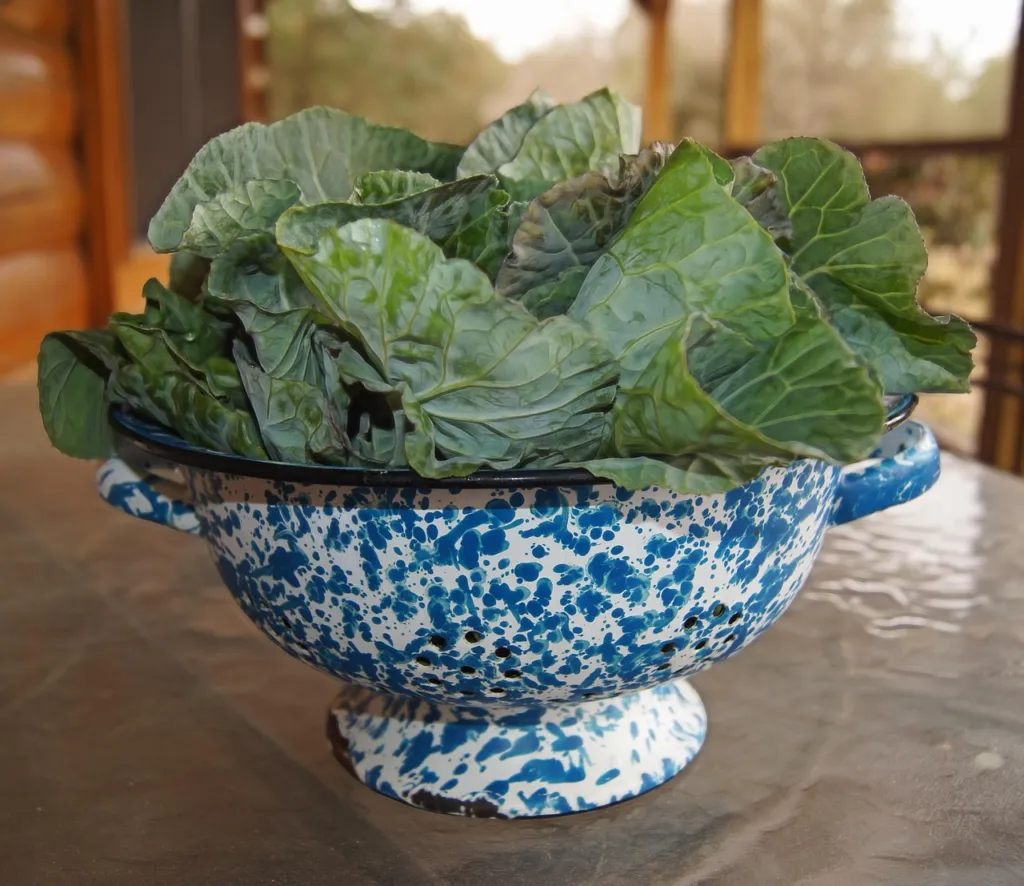
Store greens in the refrigerator in a container or bag with a clean towel to absorb excess moisture. Keep the towel from becoming soggy, and replace it if needed. Tender herbs can often be kept wrapped loosely in a barely damp towel inside the refrigerator. Use delicate greens and herbs early in the week, since they usually do not keep as long as sturdier vegetables.
Give roots and sturdy vegetables room
If root vegetables come with leafy tops, separate the tops from the roots before storing. The leaves draw moisture from the roots, and they may be useful in a meal of their own. Keep the roots refrigerated and use the greens promptly. Store carrots, beets, or similar roots in a bag or container that helps prevent them from drying out, without trapping standing water.
Potatoes generally keep best in a cool, dark, dry place with airflow rather than in the refrigerator. Onions also prefer a dry, well-ventilated spot. Keep them separate from potatoes when possible, and check stored vegetables periodically for soft spots or sprouting. Follow any specific handling advice that comes with your harvest.
Know what belongs on the counter
Some vegetables are best kept at room temperature until ripe or until you are ready to use them. Tomatoes, for example, generally keep their best texture and flavor on the counter; refrigerate them only if they are very ripe and you need to slow further softening. Keep produce away from direct sunlight and heat.
Make a small “use first” area in the refrigerator for the most delicate items. Then plan one or two meals around them before moving on to sturdier vegetables. A quick look through the drawer before your next pickup can prevent forgotten produce from going to waste. If time is short, soup, a skillet meal, or a vegetable-heavy pasta can use several different items together.
A simple weekly routine
- Unpack and sort vegetables soon after pickup.
- Dry damp greens and store them with a clean towel.
- Separate root tops and use delicate items first.
- Check the refrigerator midweek and plan a meal around what remains.
If you have questions about storing a particular item from Hollow Creek Farm, get in touch with the farm.